Showing posts with label denver roof tile. Show all posts

Wednesday, September 1, 2010

Green Roof Building


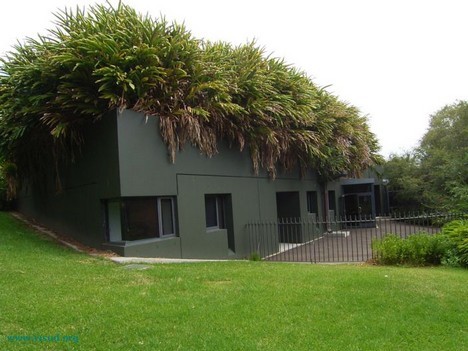
Green roofing is an exciting new prospect for the roofing industry and the world. Green roofing has the potential to take wasted space on the millions of roofs needlessly absorbing the suns energy and convert that into something useful. Green roofing does present some unique problems. Usually roofs are designed to remove water as quickly as possible, but vegetation needs water, and there will be an additional layer of sometimes wet growing material for the roof to support. This means that the roof must be much stronger to support all this additional weight. The roof also needs a very effective drainage system that keeps the part below the growing material dry.

The soil and vegetation layer of a green roof usually consists of low maintenance plants. Therefore the typical roof does not need a irrigation system. If the roof is more for looks or to play on, a irrigations system may be installed. These should be drip systems that deliver the water to the roots to minimize evaporative water loss. But most will let the plants grow naturally. A Denver roofing contractor may have to consult with a nursery on the correct type of plants.

The scientists behinds these roofing systems divide them into intensive and extensive categories. The extensive roof is also called an eco-roof. These are thinner and lighter, but the reduced soil limits the vegetation options. The common plants are mosses and grasses. These grow in a low profile and require little maintenance.

If your Denver roofing contractor is more ambitious, you could try an intensive roof. These have enough soil to make a full garden. This type of roof is ideal if you are looking to make a rooftop garden oasis. Small trees, and little patios can even be housed with enough structural support. If you do get your Denver roofing contractor to install and intensive roof, you will probably have to hire someone to maintain it.

Green roofs are very good insulators and reduce the heat of the roof overall significantly. This saves on heating and air conditioning costs. This can help reduce the heat island effect in urban environments. The plants and soil also filter the air and water in the area. Green roofs are especially popular in urban environments because they add yard space in areas where this was impossible.

Tuesday, August 31, 2010

Finding Leaks in Your Home


So your ceiling is leaking. Unless there is a problem in your heat pump or other HVAC equipment, it probably means you have a roofing problem. However, short of simply replacing the entire roof, it can be hard to find a leak. Water rarely drips straight down. Instead it finds studs and beams and follows them down into the home's interior. So the source of the leak, from both location and cause cannot be determined just by looking at watter dripping from the ceiling.

For small roof leaks, you may never notice because the water runs over such a long portion of your internal structure that it gets absorbed before it chips any paint or causes any other blatant damage. Water in the attic can cause serious problems. Moist areas always have problems with mold, but in the attic water can start to degrade your insulation.

When trying to find a leak, Denver roofing companies follow these basic guidelines. First any contractor or experienced roofer will inspect roof drains in the area. Especially in flat roofs, clogged drains can lead to standing water. The roof is not made to work underwater. It is designed to wick water off as quickly as possible while keeping the interior dry. A drain is not waterproof because it is only expected that water will flow straight down it.

For composition or asphalt shingles, you can run a blade along under the shingle. If it stops about an inch in, it is probably sealed with tar, but if it goes further there is a good chance that this could be your leak source.

Penetrations are the most common leak sources according to Denver roofing companies. Often these penetrations were added after the roof and were not sealed properly. All roof penetrations need special attention because they are weak points in the roof. A combination of flashing, pitch and roofing materials is recommended by Denver roofing companies.

The next place to look is the attic or crawlspace. This will get you closer to the source of the leak before water starts running everywhere. Sometimes problems with duct work or plumbing cause leaks that you think are roof leaks. On steep roofs, exposed nails can rust and cause holes for water to leak in. Accumulated debris can also cause water damage. Clear nests and sticks near chimneys and other obstructions. Swamp coolers with leaking pans will dribble water on the roof and shorten its lifespan significantly.

Think if any contractors were working on the roof around the time it last held up. HVAC contractors, electricians and the like might have added equipment or damaged something in the ceiling. Dropped tools are a leading cause of roof damage. The thin inner roofing material is not made to handle a heavy roofing hammer. In those cramped spaces it is easy to pull flashings loose and cause other roof damage.

Monday, August 23, 2010

Roof Types


Before considering a roof redesign, roof replacement or when building a new home, you should look up the kinds of roofs available. You do not necessarily have to use the same kind of roof as in your old home. There are many options out there that have differences in utility and aesthetics.

One of the most common types of roof is the gable roof. Gable roofs with composition shingles represent more than half of American homes. It is simple for Denver roofing contractors to build, and it has some positive design features like easy ventilation and rain shedding. Some even use the false thatched roof style, that uses tan shingles formed on the eaves to look like a thatch overhand.

The hip roof is similar to the gable except it has triangles that shed water on the ends, while the gable just has two planes. It is harder to ventilate, and some HVAC contractors dislike it because of the possibility of leaks and less room inside.

A frames look like a capitol A stuck into the ground. The roof goes all the way to the ground and doubles as the walls. Usually used in smaller cottages and the like, now some ambitious Denver roofing contractors are using A-frame construction on churches in unconventional ways.

The flat roof is popular on the big box retailers because it is the cheapest roof. You just construct a flat plane on the top of the beams. These roofs are usually not considered very attractive for two reasons. One, because it is flat, you cannot see it from below, and two, the top is often covered with layers of felt, tar and gravel. This is called "built up roofing" by Denver roofing contractors. A perfectly flat roof would have problems with water pooling, so even flat roofs on large buildings should have a slight pitch for water drainage. These roofs are uncommon in the north because they do not shed snow.

Still in the simple roof construction category, the shed roof is a roof that only has one angled plane. So the high side is on one wall and the low on the opposite. This is also easy to build, but uncommon in larger structures.

Friday, July 30, 2010

Repetitive Stress Roofer Injuries


Roof construction is an inherently dangerous industry. Roofers work high up so are at risk to fall. In competitive markets they are often on tight deadlines, so many Denver roofers get injured working in adverse weather. The combination of working outdoors, high above the ground, with heavy staple guns and materials make the job one of the most dangerous in Colorado.

The most common injuries for roofers are broken bones from falls. One slip and a Denver roofing contractor may be out of the business permanently. Clambering around beams requires a lot of nimbleness that may fade as roofers age. As data from aging roofers is collected, there is another possible injury being associated with Denver roofing companies, and that is repetitive stress injuries.

One study said that over half of all roofers who leave the Denver roofing industry do so because of pain induced by repetitive stress or other health reasons. Leaving the industry early can also be crippling financially. Many roofers do not have many other skills than constriction, so they may have trouble supporting themselves if they are forced into early retirement because of health reasons.

Repetitive stress is caused by doing the same stressful actions over and over. Things like carrying heavy roofing supplies up ladders and nailing frames are possible contributors. In houses with shingles or tile roofs, roof contractors have to nail thousands of shingles to the roof with a gun. They are often hunched over, nailing roofing tile after roofing tile in the sun. Each firing of the nail gun is like a small shock wave that can damage bone, nerves and connective tissue over time.

Unfortunately many of these roofers who have to retire early suffer from skeletal diseases. Being a roofer past the age of 50 is not very common because of the stresses on the body. So at a time when most occupations are reaching their peak, roofers are breaking down. They even seem to physically age faster than the norm. Most construction workers are paid by the hour, so as their bodies break down, older roofers have to take time off and miss work, which means they are getting paid less and face the possibility of not being rehired for the next job.

Beware Door to Door Roofing Scams


The roofing contractor business is going through a tight time now because of the economy and housing market. However any legitimate roofing company is not going to go door to door asking for free roof inspections and your business. But that is exactly what some "roofing contractors" are doing.

The scam works like this: the roofers drive through the neighborhood going door to door offering a free roof inspection. If the customer agrees, once on the roof, the roofer looks for damage and if there is any, reports it and tires to get a contract to fix it from the homeowner. This sounds just like any reputable roofing contractor in Denver would do, and it is. The difference is if the roof is fine, the scammers start damaging it.

So you have a 100% chance of having a damaged roof if you let a door to door roofer into your home. Legitimate Denver roofing companies may offer a free inspection, but they will not go door to door. In any case, it is a good idea to supervise workers, especially if you have not dealt with that company before. Benjamin Franklin had a plaque that applies in this case, saying: not to oversee workers is to leave your purse open.

Most people don't know the difference of what it looks like for someone on a roof to be repairing or damaging a roof. And most people just mind their own business. The owners are usually inside and can't see anything that is going on. The scammers run it as a numbers game: eventually someone will let them on their roof, and someone will pay for the damage. Since they are just manufacturing work out of nothing, it only takes a few houses to pay for their week.

The only people who might understand are construction workers and insurance adjusters. Insurance companies hate this kind of behavior because it inflates the probability of something happening far beyond the projected average. Don't be worried that big roofing companies only care about the lucrative Denver roof replacement jobs. Most will give you a free consultation because they want to build connections. At some time, everyone will need a little roof work.

There was a case where an insurance adjuster noticed that roofers were damaging the roof of his neighbor. These crooked contractors were using the aftermath of a hurricane as an excuse to create more "wind damage."


Monday, July 26, 2010

Integrating your roofing decisions into your home concept


Your roof covers about half the visible area of your home from the outside. You therefore have some very important decisions to make regarding what kind of roof you want. This is going to be a fun process because of all the different options you have available! For every roofing material, there are many different styles and concepts you can go with.

In the good ol' days, a roof was just straw or wood over your head. Even further back was stone... and in modern days some Denver roofers even offer stone roof tile! The first settlers in Denver used wood planks with tar paper for water proofing. If you are making a log cabin, you can still use wood as your roof, but add tar paper and shingles or metal sheeting as well to make it last. Most modern homes have shingle, tile or metal roofs.

Metal is the easiest and simplest roof. Roofing for metal roofs basically just involves screwing the metal to the roof and leaving. It can be hard to make a metal roof attractive, but painting usually works well. A painted red roof indicates a kind of country barnyard style. A light blue or white roof will reflect sun heat and could be striking in the right background. Metal does not need much maintenance, although it will rust eventually, this would be after you had replaced your shingles several times.

Shingles are very popular in Denver due to their cheap price, light weight and ease of installation. Asphalt shingle installation is a labor intensive process, where the Denver roofing workers staple rows of shingles to your tar paper. The price for the materials is cheap however and it does not require highly skilled workers. Wood shingles on the other hand look much nicer and require more work to make and install. Wood lasts around the same time as asphalt/fiberglass shingles despite their use of natural material.

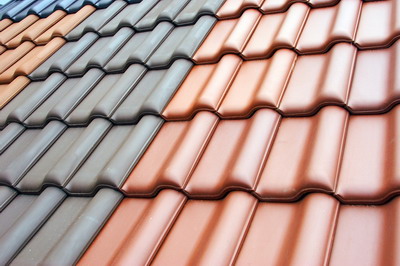
Tile is like shingles but made of a hard material like clay or concrete. The ceramic shingles are made by hand, cut from clay. Tile shingles last much longer than wood or ceramic. The tiles will last at least 50 years as long as they do not break. These tiles are very hard and strong against weather. They will however break or slip off if hit by branches or if people walk on them. So for tile roofs, you will have to replace a few tiles every year, while shingled roofs have to be completely replaced once they wear out. Tiles can also operate in a more narrow range of roof grades.

Call your Denver roof company to see what the life of your shingles is expected to be because you want to replace them before they start casing weather damage to your home.

Tile or Shingles?


The great debate in roofing is tile or shingles. The debate is not black and white. It gets clouded as slate shingles... which look about halfway between shingles and tile. Asphalt shingles are the cheapest kind of shingle. They are light and any Denver roofing company can install them easily, but they are not the most durable good.

Asphalt shingles are easy to replace, but they wear out quickly and can be damaged by strong weather. The problem with all kinds of shingles, both wood and asphalt, is that weathering slowly deteriorates them. Asphalt shingles shrink and wood shingles rot, the eventual end result of which is water damage through the roof below. Wood shingles have a long history in Europe but have been replaced by asphalt and other synthetic materials in the US for most common applications.

On the other hand, the low cost and flexibility of shingles make them more resistant to impact than tile, and the replacement cost is lower. Tiles are also more fragile when it comes to people walking around on them. Tile can break and fall off, causing a hazard. The tiles may offer more protection from impacts, at the expense of destroying themselves. Roof tile is made from a hard material like ceramic, clay or slate. There are many different styles, from Spanish rounded roof tile to simple square slate tiles. Tile is heavier than shingles, so when switching roof styles, hire an engineer or Denver roofer to check your roof for structural stability.

When it comes to insulating abilities, roof tiles work a little better than shingles because they are made of thicker material. The real difference in heat loss is your insulation in the attic. Proper insulation and venting will make much more of an impact than the type of Denver roof materials you choose.

From a pure aesthetics standpoint, only wood shingles can compete with tile. Tile looks cleaner and more masculine because of its thicker shape. The barrel roof tiles of southwest architecture are usually red or earth tones and give a more laid back tropical image.

If you want to really go crazy with your roof, hire a custom roofer that knows how to do old-school European shingles. There are many designs to choose from and your roof will definitely be unique.