Showing posts with label Denver flat roof. Show all posts

Wednesday, September 1, 2010

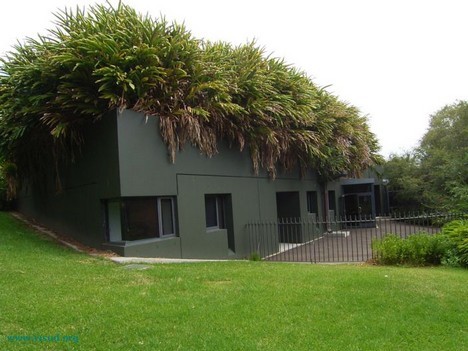
Green Roof Building


Green roofing is an exciting new prospect for the roofing industry and the world. Green roofing has the potential to take wasted space on the millions of roofs needlessly absorbing the suns energy and convert that into something useful. Green roofing does present some unique problems. Usually roofs are designed to remove water as quickly as possible, but vegetation needs water, and there will be an additional layer of sometimes wet growing material for the roof to support. This means that the roof must be much stronger to support all this additional weight. The roof also needs a very effective drainage system that keeps the part below the growing material dry.

The soil and vegetation layer of a green roof usually consists of low maintenance plants. Therefore the typical roof does not need a irrigation system. If the roof is more for looks or to play on, a irrigations system may be installed. These should be drip systems that deliver the water to the roots to minimize evaporative water loss. But most will let the plants grow naturally. A Denver roofing contractor may have to consult with a nursery on the correct type of plants.

The scientists behinds these roofing systems divide them into intensive and extensive categories. The extensive roof is also called an eco-roof. These are thinner and lighter, but the reduced soil limits the vegetation options. The common plants are mosses and grasses. These grow in a low profile and require little maintenance.

If your Denver roofing contractor is more ambitious, you could try an intensive roof. These have enough soil to make a full garden. This type of roof is ideal if you are looking to make a rooftop garden oasis. Small trees, and little patios can even be housed with enough structural support. If you do get your Denver roofing contractor to install and intensive roof, you will probably have to hire someone to maintain it.

Green roofs are very good insulators and reduce the heat of the roof overall significantly. This saves on heating and air conditioning costs. This can help reduce the heat island effect in urban environments. The plants and soil also filter the air and water in the area. Green roofs are especially popular in urban environments because they add yard space in areas where this was impossible.

Tuesday, August 31, 2010

Spray Foam Roofing

Spray foam roofing is an interesting roofing material consisting of two different liquid materials that combine to form a seamless roofing material. After mixing, the foam expands over 20 times to form a complete solid roof. These roofs are popular for the speed in which they can be applied, while providing high performance water resistance and insulation.

Abbreviated SPF, spray foam roofing becomes an adhesive, that will adhere and make a roof on almost any surface except bitumen. This means concrete, cinder block, wood and metal roofs can be covered, which leads to lower costs and less roof waste. Instead of tearing off the old roof and installing a new one SPF can be installed. Spray foam also doubles as insulation further reducing a step required on roofing contractors in Denver. Once sprayed, SPF lasts around 50 years. During that time, it will need occasional maintenance in the form of cleaning and priming.

Sometimes roofing contractors in Denver add UV resistant granules to the top coat of foam to protect it from the sun. Foam is actually pretty hardy. The word foam often turns people off, but the foam is hard and durable. They handle human traffic better than asphalt roofs, but can still be damaged from limbs and tools falling on the roofing surface. However, because it is foam roofing contractors in Denver love SPF for its insulating abilities. A square foot of the substance weighs less than three pounds. This means the rest of that material is insulating air.

In warm climates especially, SPF roofing will pay for itself with reduced energy bills on cooling. Studies show that this roofing material pays for itself in 4-5 years. Few other roofing systems will pay for themselves ever. For the two polymers in the foam to correctly combine, the spraying must be done right. The gun, hose and feeding systems must all operate correctly to install a 1 to 1 ratio of the polymer bases. If something goes wrong, it must be fixed immediately or the project must be stopped. It can be hard for some roofing contractors to do this because this means swallowing the costs of redoing the roof.

Monday, August 23, 2010

Historic Spanish Clay Tile


Out of the monotony of common roofing material Spanish tile really pops. The distinctive barrel shape is instantly identifiable. Along with slate roofing, tile is one of the oldest roofing materials still in use. The main reason for its continued popularity lies with its sturdiness and artistic expressions. Tile will last for over a hundred years as long as it is not exposed to blunt trauma. Clay tile also comes in a myriad of roofing options, with different shapes, colors and textures. Some clay roofs have lasted hundreds of years.

Because clay tile is not water tight, it is often the flashing and waterproof roofing materials under the tile that has to be replaced before the tile. Working on the materials under the roof requires the removal of tile. Tile is strong, but brittle, so only an experienced Boulder roofing company should do this kinds of work. Usually what needs maintenance is the tile fastening system, the weather proofing or flashing.

Tiles resist weather and hail very well, but because there are spaces in between them they are not weather proof. During average rainfall most moisture will be quickly routed off the roof but there are always chinks in the armor. Because the tile is expected to last so long, it is important to install quality roofing materials underneath. This means metal flashing. Once properly installed, a clay tile roof should not need any further visits from the Boulder roofing company. Tiles often outlast the buildings and roofs they were installed in. There is actually a booming business in recycled tile from Spain. Broken tiles are the chink, and they do need to be replaced quickly.

These tiles are beautiful on historic and modern buildings. In olden days, clay tiles were hand made and fired in kilns. Historic buildings using tile often find that the tile is the most memorable aspect of the building.Some handmade Mexican and Spanish tile tradesmen still exist, but most tile used by a Boulder roofing company comes from factory made, machine extruded manufacturing.

Once installed in a new roof, tile often lowers the temperature of your roof and attic. All the air space allows for adequate airflow, essential in roofs. Without airflow, heat and moisture build up, eventually leading to rotting. The tile also acts as a barrier. It absorbs heat while there is the air space and roofing materials between the hot tile and the roof. Compare this with asphalt shingles which are thin, dark, and attached directly to the roof.

Built Up Roofs for Flat Roofing


In warm weather like California, people like the built up roof because it allows for a large shade overhang. Choosing the right color rocks to cover the tar also gives it a southwestern feel. The real reason that flat roofs are popular however is their cost. Flat roofs and roofing is very cheap because of the low amount of skilled labor. It is basically just a post and lintel - beam construction for the frame, covered in tar or some other material.

The tar-like material used to cover these roofs is called bitumen by professional Denver roofing contractors. The thick, black material must be heated for the roofers to spread it on the roof. Almost like asphalt, the layers of thick bitumen hold the gravel in place. The process is cheaper than other roofing choices because all the raw materials can be hauled to the job site to be mixed and poured. If you look at an asphalt shingle, you will realize that a bitumen roof is really just a handmade version.

A composition shingle consists of a felt base with tar and small pebble grains. Well a built up roof uses felt roofing, bitumen and and gravel on a larger scale. The felt material serves to reinforce the roof and stop the bitumen from spreading. Called "plies" built up flat roofs built by Denver roofing contractors measure the thickness of the roof by the number of plies. So a 3 ply roof has three layers of roofing material inside the tar membrane.

The way that Denver roofing contractors get the tar or asphalt bitumen up to a melting point is with a special heated tanker. The tanker then releases liquid tar on the roof to be mopped around by roofers. Needless to say, this is not a roofer's favorite part of the job. There are some tar alternatives that do not need heat to apply. However this means they probably use some organic adhesive that could be just as bad for you.

The mix-in product does not have to be gravel. Any kind of slag, glass fibers or mineral grains can be mixed in to create a built up roof. Some roofers opt out of this all together and just leave the roof covered in tar. Gravel is popular however because it makes the roof stronger, more resistant to the sun (imagine walking on tar in a sweltering day), can reduce the cost of total roofing materials, and also looks more attractive. Another alternative for sun control is to paint the roof white.