Wednesday, June 26, 2013

Top Types of Asphalt Roofing Shingles

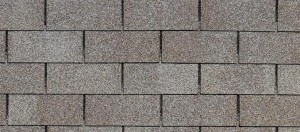
Classic 3 Tab Asphalt Shingles

If you're on a tight budget and therefore are searching for probably the most fundamental yet quality asphalt shingle material for the roof, Denver roofing companies say, the classic 3 tab roofing shingle is a superb option. For many years, it has been and is proven to function as the most generally used asphalt shingles of all residential houses in America. The Three tab shingle is all about 1-foot. tall x 3-foot. wide, and contains exactly the same thickness throughout. In the bottom finish, narrow slots are cut about 50 %-in place the shingle to produce three tabs. Each is about 5-in. tall x 12-in. wide. This construction produces a clean, flat look throughout your homes roof.

The Three tab roofing shingle provides the following advantages and security features for the roof. It typically has a 25-40 year prorated warranty (for particulars read our section on asphalt shingles roof durability and roof repair, below). It's resistant to the wind as much as 60 mph and has a 5 year warranty, which needs to be all right if your property is situated inside a region that's not vulnerable to strong winds.

Laminated / Architectural Asphalt Shingles


You can easily get confused while shopping around to have an upgraded form of an asphalt roofing shingle, because this shingle has a variety of names. Laminated shingles, architectural shingles and three-dimensional shingles all make reference to one sort of asphalt roofing shingle. The primary difference and benefit of these shingles is they have a minimum of two layers of abs plastic matting which are individually covered in asphalt, after which laminated together. This construction produces extra thickness. Laminated shingles possess a warranty that's correlated using their thickness the thicker the shingle the more the warranty. For instance, triple laminate shingles have a lifetime warranty. This selection allows laminated shingles to possess better tear off resistance some are ranked to face up to winds of 120 mph. If you reside inside a hurricane prone region of America,
trading more income for that added security of your house is really a wise financial decision. Another essential safety feature of laminated shingles is powerful fire resistance. This is also true of laminated asphalt shingles which have huge granulated top coat. Huge layer of top coat granules offers the greatest fire rating of sophistication.


Premium Asphalt Asphalt Shingles

Monday, May 13, 2013

Roofing Repair Safety Tips for Your Home

Making repairs to your roof can save you money and time, but should only be taken on by skilled homeowners. There are some roof repairs that can be made without calling a professional roofing contractor, but you need to be sure to not over extend yourself because your roof is one of the most important pieces of your home. Repairing your own roof is a great, but be sure to call a contractor if you find a problem you are unfamiliar with. The internet is a great resource for leaning about roof repair projects, but nothing can replace the experience of a qualified Denver roof company.

Before getting up on your roof, make sure that you will not be working in the rain. Tearing away at your roof system without first checking the weather will cause serious problems. Not only are you opening up your house to flooding and water damage you are also putting yourself and the people working with you in danger. Wet roofs are very slippery and the chance of injury is raised exponentially during or immediately following a storm. If you need to remove shingles for your roof repair project make sure you have something to cover the portion of your home you have exposed before starting. Even if you think you will be able to finish the project before the day is through having some sort of covering will help you avoid any unnecessary damage to your roof if you are unable to complete the task. Immediately cover any exposed areas with plastic or felt paper anytime you are leaving repairs unsupervised.

Monday, May 6, 2013

How to Repair Roofs After a Storm

The snow has finally melted, but your roof is not done with wild weather quite yet. Spring and summer often bring storms with them and your roof will take a beating from them. After a storm cleanup chores typically include some roof repairs. Not all roofing repairs call for a professional roofer, there are some repairs you can make on your own. The most important thing to remember when making roof repairs is to work safely. Always work with a buddy and use extreme caution. One wrong step could send you to the hospital and by that time you'll wish you called a roofer.

Check your roof for damage after every storm. Identifying damage quickly will help make repairs less of an issue. If you find damage on your roof,make the repair as soon as you can to prevent other problems developing. First inspect your roof from the ground. Look for problems like missing and torn shingles and standing water. Next you'll want to go up to the roof and carefully cover any holes and problem areas with plastic sheeting or roofing paper for temporary protection from the elements. Use nails to keep plastic covering in place. Roofing paper should be attached with plastic cement. Check to make sure your gutters are secured to your home. Gutters are an important part of your roofing system and they do not work properly unless they are held in place. Other important roofing system features you should inspect closely are the skylights, vents, turbines and flashing.


Contact your insurance company as soon as possible when you find a problem with your roof. You'll need the company to send an adjuster out to your home so that you can have a roofing contractor make more permanent repairs right away. Make sure not to over extend yourself. If you haven't made repairs to your roof before, hire a Littleton roofing company to help you with your repairs.


Wednesday, April 24, 2013

How to Calculate the Roof Area

Posted by:  Jeff Ahbe

When you are about to start your Denver roofing project, you will need to calculate total roofing materials needed for the job.  To get this amount, you need to estimate the total surface area of your roof so you know how much to order.  When calculating your surface area, the easiest way to do this is actually measuring your roof.  When doing so, round up to the nearest foot to make your calculations easy and to ensure you order enough! 

It is easy to calculate when you think of your roof as a flat rectangular surface.  If measuring a gable roof, find the area of a rectangle, multiply the length times the width.  Measure along the ridge or eaves to find the length and from the ridge to the eaves to find your width.  If you multiply the two numbers together you'll get the square footage of one side of your roof.

Complicated Roof Measurements

If you have a section of your roofing system that is more complicated that the basic gable roof, it is easier to divide your roof into triangles.  To find the square footage of a triangle, multiply the height by the width and divide by two.  Once you figure the area of your triangles, simply add them up to get your roofs area.

If your roof is inaccessible or hard to maneuver you will need to make your measurements from the ground.  Measure the roof as if its edges were projected on the ground and then correct for the amount of slope in the roof by using the area/rake conversion chart to the right.  Make sure to calculate the roof overhangs, don't just measure wall to wall of your home. It is easier to draw the roof outline on paper and add the ridge, dormers, chimneys or porch to your figures.

Once you have a proper outline, take the following steps to correctly calculate your roofs area:

Sunday, April 21, 2013

Waterproofing Underlayment

A roof depends on gravity to make water run down an doff, but when held back by ice, or during intense driving rain, water can work its way up and under even properly installed shingles. Because normal felt underlayment is not completely waterproof, especially around nail holes, water can work its way in. Highlands Ranch roofers say, for those who experience harsh winters it's reassureing to know you can install additional insurance afainst water dmage.


Waterproof shingle underlayment is a special material mafe of asphalt and elastic polumers designed to adhere tightly to roof sheathing and around the shanks of nails driven through it. This self-sealing attribute ensures that water cannot fet past it, even where you drive a nail.

Install the underlayment along those areas where ice dams and driving rain can create a problem, or where water tends to accumulate along the eaves, around skilights in calleys, in saddles or on low pitched roofs. Noramal felt underlayment should still be installed in non-critical areas, and metal flashing shoulf still be used as per ordinary roof

Friday, April 19, 2013

Roofing with Slate

Roofing with slate is very expensive. Actually slate roofing is one of the most expensive roofing material options available on the market. Even when you consider the long lasting lifespan of slate, the price is still out of reach for most homeowners. If you're looking to install a new roof Denver contractors don't always suggest these long lasting roofs. The reason for choosing slate roofing materials for your home is not affordability but aesthetics. Slate roofing materials give a home a chic yet rugged look that many modern style homes look great with. Slate can be places over a layer of composition shingles if the slope of the roof is 4-15+ is a structural engineer signs off on the roof framing sturdiness.

Slating a roof takes a considerable amount of skill; however, some skilled do-it-yourself enthusiasts are capable of the project. Slating requires quite a few specialized tools that most people do not have in their backyard sheds and these tools are fairly costly. Sometimes it is more cost effective to pay a professional to take on the task than to invest in the tools required for the job.

Slate is available in a huge variety of grades and thicknesses, so ask a salesman how long your selection is expected to last. This material also comes in many colors ranging from grays and greens to purples and reds. Some of these colors will fade after years of exposure. Slate can also be purchased in smooth or rough surfaces. Different colors and textures may be used on a single roof, but Denver roofing professionals say it can be very difficult to make pattern with the colors you choose to turn out in a pleasing design.

Friday, April 5, 2013

Installing Metal Roofing

Metal roofing has recently gained in popularity. Metal roofing is most commonly found on commercial buildings and older homes, but can also be found on residential new builds. Metal is a great material for roofing because of its longevity and low cost.

Standing-seam panel roofing is the most common type of metal roofing for residential builds. Panels usually run vertically and are made of aluminum or galvanized steel, but in some cases they are made from zinc and aluminum-coated steel. Since the panels are painted they offer many different color options. Metal roofing is ideal for restoring older homes that were originally fitted with metal roofs.

Metal roofing is a light material suitable for covering older roofs and could even be layered over composition shingles (depending on local codes). For roofs that have irregularities, narrow, texture and dull-finish panels are the best choice. Metal roofing can cover a roof with a slope of 3 in 13. Other metal roof Denver residents sometimes choose can work on roofs with slopes as sloght as 1/4' in 12. However, the experience and special equipment needed will required a skilled contractor for this metal roofing installation.

Installing metal roofing is a process that involves laying 12-16.5 inch panels and correctly joining them at the seams, wall flashing, valleys and ridges. The panels are pre-cut to the exact length ordered up to 40 feet long. Metal roofing can be applied to plywood decking with an underlayment of 30 pound felt. Laying and joining the panels is not difficult, but handling eaves, rakes, edges, wall flashing and ridges require an experienced roofer.